
Understanding PLA (Polylactic Acid): Material Types, Applications, and Industry Usage

Understanding PLA (Polylactic Acid): Material Types, Applications, and Industry Usage
What is PLA (Polylactic Acid)?
Polylactic Acid (PLA) is a biodegradable thermoplastic derived from renewable resources like corn starch, sugarcane, or cassava roots. Unlike traditional plastics made from petroleum, PLA is eco-friendly and compostable under industrial conditions. It is widely recognized for its environmental benefits and ease of use in various manufacturing processes, particularly in the 3D printing industry.
PLA was first developed in the early 1990s, but its origins can be traced back to the 1920s when French chemist Maurice Lemoigne first isolated lactic acid. However, it wasn't until the late 20th century that PLA gained commercial relevance as a viable alternative to conventional plastics, thanks to advancements in polymer technology and the growing demand for sustainable materials.
Material and Types of PLA (Polylactic Acid)
PLA comes in several variants, each tailored for specific applications and processing methods. Below is a breakdown of the most common types of PLA:
- Standard PLA
- The most widely used form of PLA, known for its ease of printing and smooth finish.
- Commonly used in 3D printing filaments, packaging, and disposable tableware.
- PLA Blends
- PLA blended with other materials, such as ABS (Acrylonitrile Butadiene Styrene) or PHA (Polyhydroxyalkanoate), to enhance mechanical properties like flexibility, strength, or impact resistance.
- Used in applications requiring improved durability while maintaining biodegradability.
- High-Temperature PLA (HTPLA)
- Modified PLA that can withstand higher temperatures without deforming.
- Suitable for applications requiring thermal resistance, such as automotive parts and electronics.
- Transparent PLA
- A type of PLA that offers a clear, glass-like appearance.
- Commonly used in packaging, lighting fixtures, and decorative items.
- Flexible PLA
- A variant of PLA with added plasticizers to provide flexibility and elasticity.
- Ideal for producing soft, bendable items like phone cases, wearable gadgets, and prosthetics.
- Medical-Grade PLA
- PLA specifically formulated for medical applications, often with stringent biocompatibility standards.
- Used in medical implants, sutures, and drug delivery systems.
Applications and Industries That Use PLA (Polylactic Acid)
PLA's versatility and eco-friendly properties have made it a popular choice across a variety of industries. Here are some of the key applications and sectors where PLA is extensively used:
- 3D Printing
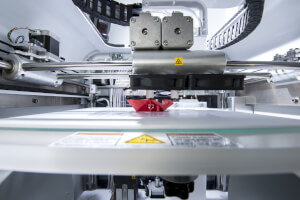
- PLA is the most commonly used filament in Fused Deposition Modeling (FDM) 3D printing.
- Preferred for its low melting point, ease of use, and minimal warping.
- Packaging
- PLA is used to produce biodegradable packaging materials, including food containers, wrappers, and bottles.
- Offers an eco-friendly alternative to traditional plastic packaging.
- Consumer Goods
- PLA is found in a wide range of consumer products, such as disposable cutlery, cups, and plates.
- Promoted as a sustainable option for single-use items.
- Textiles
- PLA fibers are used in the production of biodegradable fabrics for clothing, upholstery, and nonwoven materials.
- Offers a sustainable solution for the textile industry, reducing reliance on petroleum-based fibers.
- Medical and Healthcare
- PLA is used in the manufacture of biocompatible medical devices, including sutures, stents, and bone fixation devices.
- Biodegradable implants made from PLA gradually dissolve in the body, eliminating the need for surgical removal.
- Agriculture
- PLA is used in the production of biodegradable mulch films, seed trays, and plant pots.
- Helps reduce plastic waste in agricultural practices.
- Automotive
- PLA and its blends are used in the production of interior components, such as panels and trim.
- Contributes to lightweighting efforts and sustainability in the automotive industry.
- Electronics
- PLA is used in consumer electronics for casings and components that require a balance of durability and eco-friendliness.
- Often found in small gadgets, phone cases, and accessory housings.
Historical References and Evolution of PLA
- 1920s: French chemist Maurice Lemoigne first isolates lactic acid, laying the groundwork for the development of PLA.
- 1990s: PLA gains commercial traction as a biodegradable alternative to petroleum-based plastics, with applications expanding into packaging and consumer goods.
- 2000s: PLA becomes a popular material in the emerging field of 3D printing, favored for its ease of use and environmental benefits.
- 2010s: Advancements in PLA technology lead to the development of various PLA blends and high-temperature variants, expanding its application range.
- 2020s: With growing environmental concerns and regulatory pressures, PLA continues to rise in popularity, with increasing adoption in industries like automotive, textiles, and healthcare.
Conclusion
PLA (Polylactic Acid) has emerged as a leading material in the quest for sustainable, biodegradable alternatives to traditional plastics. Its diverse range of types and applications across industries—from 3D printing and packaging to medical devices and automotive components—highlights its versatility and potential. As environmental regulations tighten and consumer demand for eco-friendly products grows, PLA is poised to play an even more significant role in the future of manufacturing and product design.